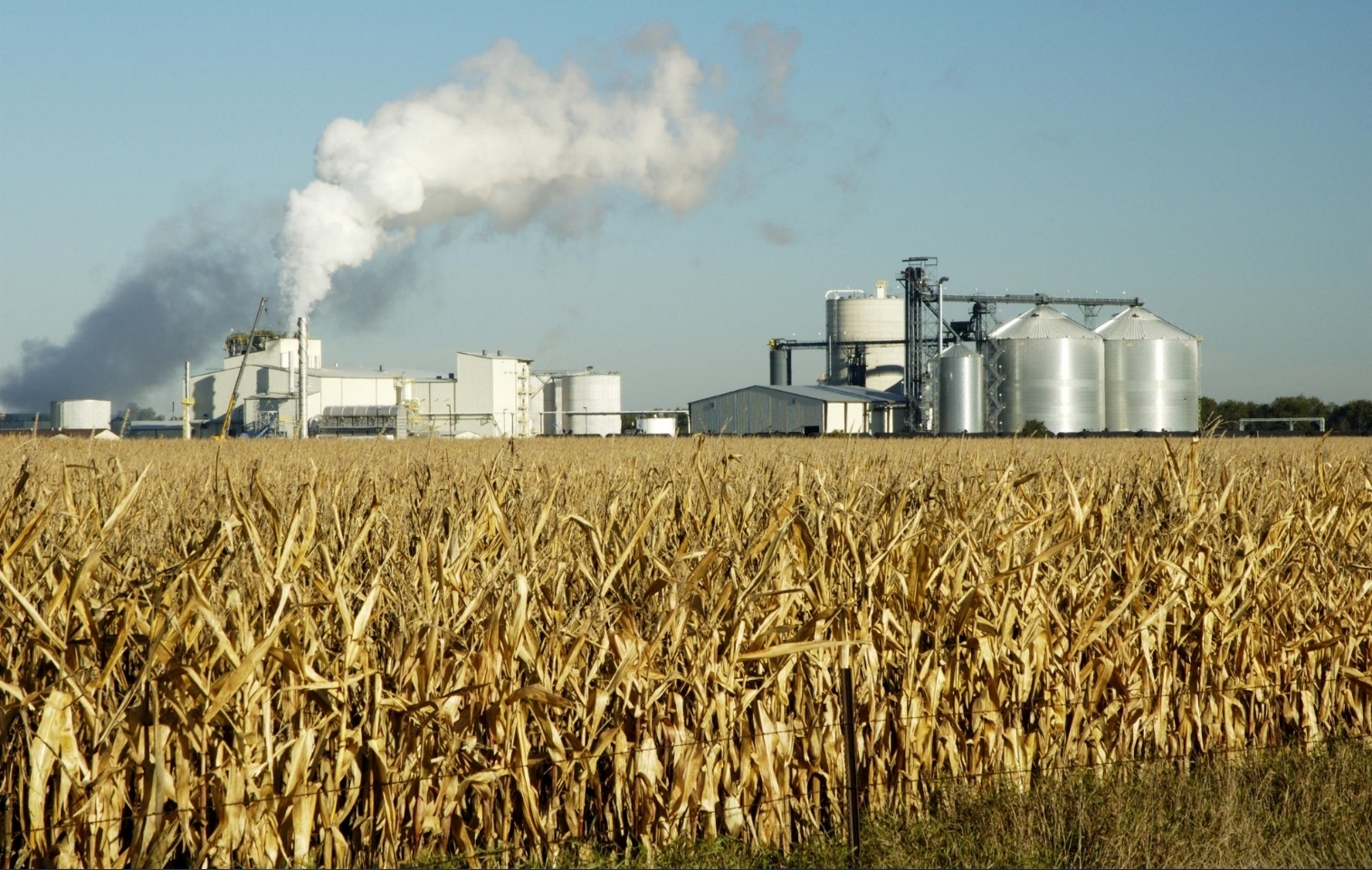
Biomass fuels represent a sustainable energy source derived from organic materials such as wood, agricultural residues, and organic waste. Harnessing the energy stored within biomass through processes like combustion, gasification, or fermentation, biomass fuels offer a promising alternative to fossil fuels. One significant advantage lies in their renewable nature, as new biomass can be grown to replace what is used. Additionally, biomass fuels are considered carbon-neutral, as the carbon dioxide released during combustion is balanced by the carbon dioxide absorbed during the growth of the biomass. This characteristic makes them environmentally friendly and contributes to mitigating greenhouse gas emissions. Moreover, biomass fuels can serve as a valuable tool in waste management by diverting organic waste from landfills and utilizing it as an energy resource. As the world seeks cleaner and more sustainable energy options, biomass fuels continue to play a crucial role in the transition towards a greener future.

- ADDRESS:1
Focal Point, Khanna, Ludhiana-141401, - Punjab, India
- ADDRESS:2
Bareh Road, Budhlada, Mansa-151502, - Punjab, India
- (+91) 9815330457
- (+91) 9815031757
- (+91) 9814031757
- info@greenfuelindia.in
Biomass Fuels